Looking for a little more daylight? The winter solstice is happening soon
SAGINAW, Mich. (WNEM) - During the winter season so many people say they miss the sunlight or they are not a fan of the early sunsets. No matter your thoughts on if the clock should be on standard or saving time, the winter season is always low on sunlight. We lack the sunlight simply due to the tilt of the earth.
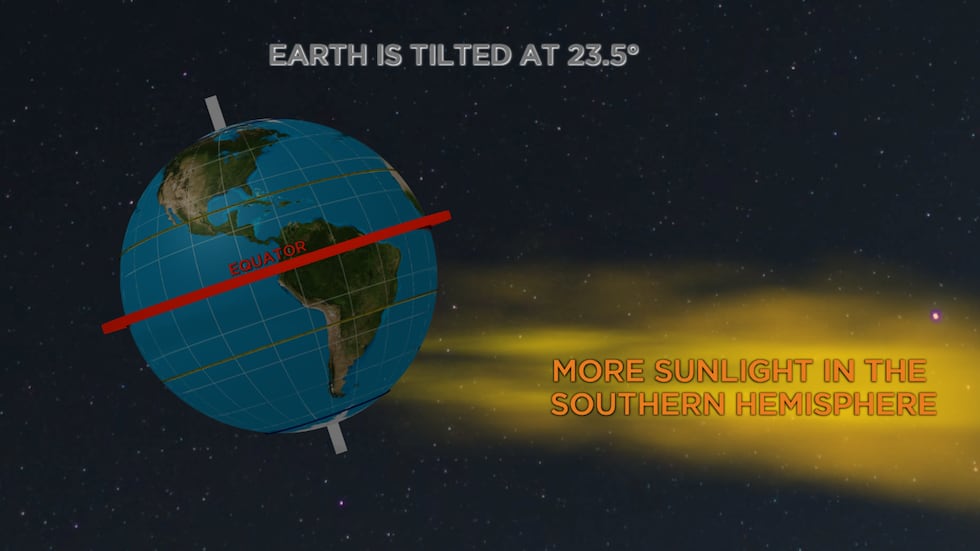
As the earth revolves around the sun, the earth is also tilted on it’s axis. If a pole ran through the core of the earth and connected the north and south poles, that pole would not be standing straight up and down. In reality that pole is slightly tilted. During the winter season, the earth is tilted away from the sun and limits how much sun can reach around to the northern hemisphere. For the summer season, we are tilted towards the sun causing longer daylight hours.
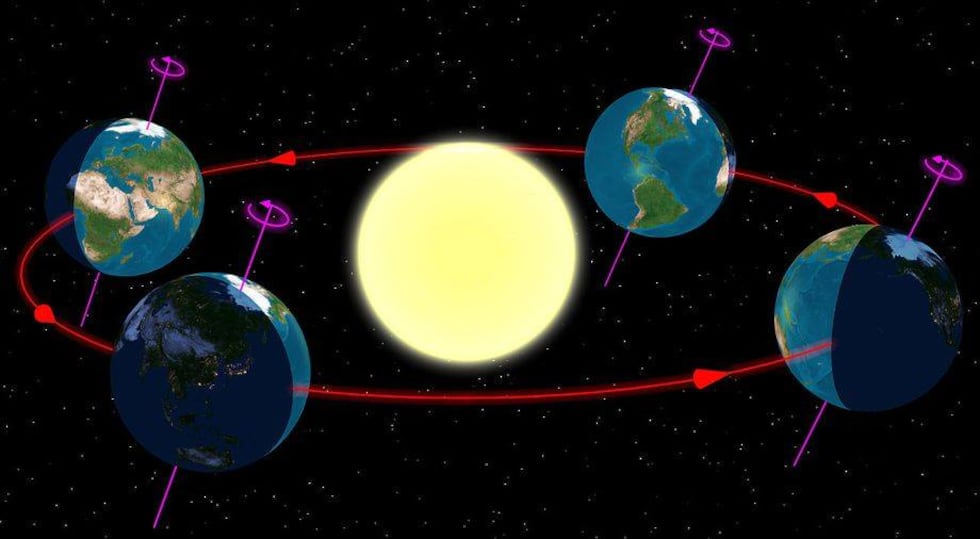
On December 21, 2023 earth will reach it’s maximum tilt away from the sun. That is called the winter solstice. It is the day where the shortest amount of daylight occurs. The winter solstice happens at 10:27pm eastern, so mid-Michigan will have what people call the shortest day of the year on December 21st. For reference on Dec. 21, four seconds of daylight will be lost that day, but we won’t start to see a big jump of daylight gaining until December 23. That is due to December 22 when less than one second is gained, so the majority of people won’t notice that much of a difference. The amount of daylight gained goes back to the tilt of the earth. As the earth’s tilt gets closer and closer to the sun, the amount of daylight grows each day until reaching its peak on June 20, 2024.

Looking ahead, we do not start to gain a whole minute of daylight each day until January 5th. The first sunset happening back in the 7am hour at 7:59am occurs on January 24, 2024. For those who like their daylight later in the day the first 6pm sunset does not happen until February 11, 2024. In March, around the time change, is when we reach the peak for the amount of daylight gained each day.
For the next sunrise or sunset time, open the TV5 First Alert Weather app and see the time and current conditions right on the home page.
Copyright 2023 WNEM. All rights reserved.